Star Wars Celebration 2023
Experience design and POS setup for oversea event
Overview
RHINOSHIELD was invited to participate in Star Wars Celebration 2023, creating an opportunity to connect with a global fan audience both online and at the event.
Rather than building a conventional campaign page, I designed an interactive experience intended to build anticipation, encourage email subscriptions, and guide users toward RHINOSHIELD's existing Star Wars collaboration products.
Midway through the project, our first concept was rejected during licensing review. With little time left before launch, we had to rethink the execution without losing the engagement strategy behind it.
Brief timeline
Role
Product Owner / UX Designer
Team
UX Designer / UI Designer / Dev of 2 / Licensing Team / PR team
Timeline
Feb. - Mar. 2023 (6 weeks)
Constraint
Disney Audit review cycle of up to 14 business days
Scope
Campaign page + event / POS experience setup
Goal
Participation → Subscription → Product Discovery
01—Taking Star Wars Celebration beyond the physical booth
RHINOSHIELD was given the opportunity to participate in Star Wars Celebration 2023, one of the biggest gathering for Star Wars fans biannually. The physical event gave us a chance to reach a new audience in person, but I saw an opportunity to extend that experience online as well.
Instead of using the campaign page only as an pre-hype announcement, I wanted it to create a stronger path from
Attention → Participation → Subscription → Product Discovery
The functional requirement were simple:
announce the upcoming event
collect email subscriptions
guide users to existing Star Wars collaboration products
The design opportunity was to make the journey itself engaging.
02—The role of designing across experience, delivery and coordination
I was responsible for shaping the campaign experience and coordinates its delivery from the IT side of the project
My role included:
defining the digital interaction concept
structuring the campaign journey
coordinating with PR team and Licensing team
working within licensing (Disney) requirements
supporting implementation
help prepare the POS experience for the physical experience
Because the timeline was short and the Disney Audit approval was a major dependency, design decisions had to balance with execution risk.
03—The first concept
The first concept was built around the idea of turning users into participants.
Instead of scrolling through a static campaign page, users entered the experience as rookie agents and moved through a narrative sequence inspired by the excitement of space exploration. The journey gradually led users towrd:
learning about the event
interacting with the campaign
inviting others to participate
and eventually discovery RHINOSHIELD's Star Wars collaboration products
The goal was not to make the page feel like an advertisement. It was ot make users feel like they were taking part in the journey with us.
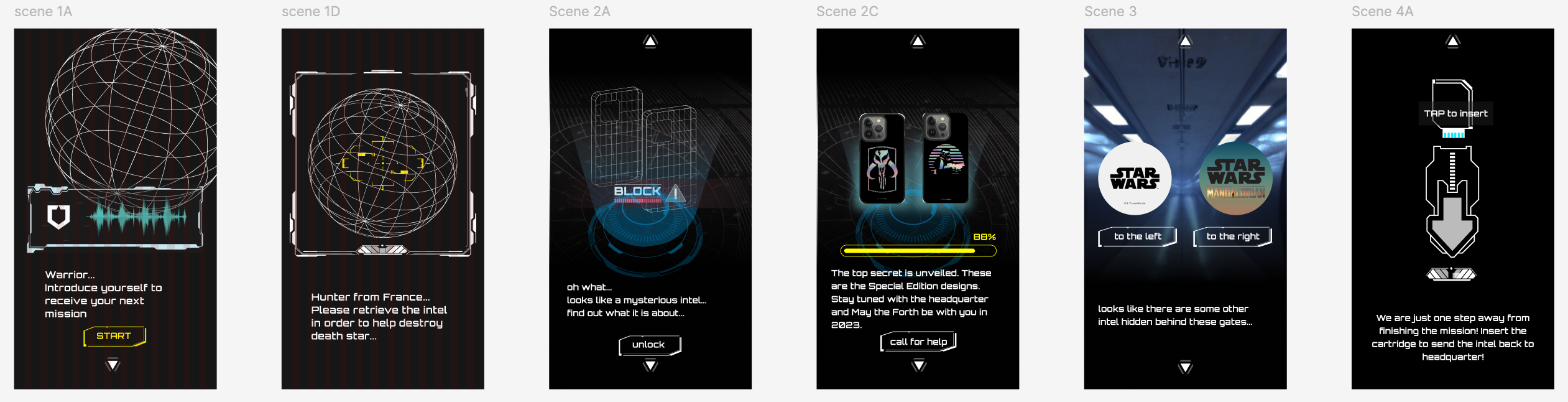
The first concept adopted various design assets from Disney, which required approval that could take up to 14 days
04—Building Subscription into the Experience
My aim was to make the conversation part of the story. Rather than placing a generic email field at the bottom of the page, we integrated subscription into the campaign mechanic.
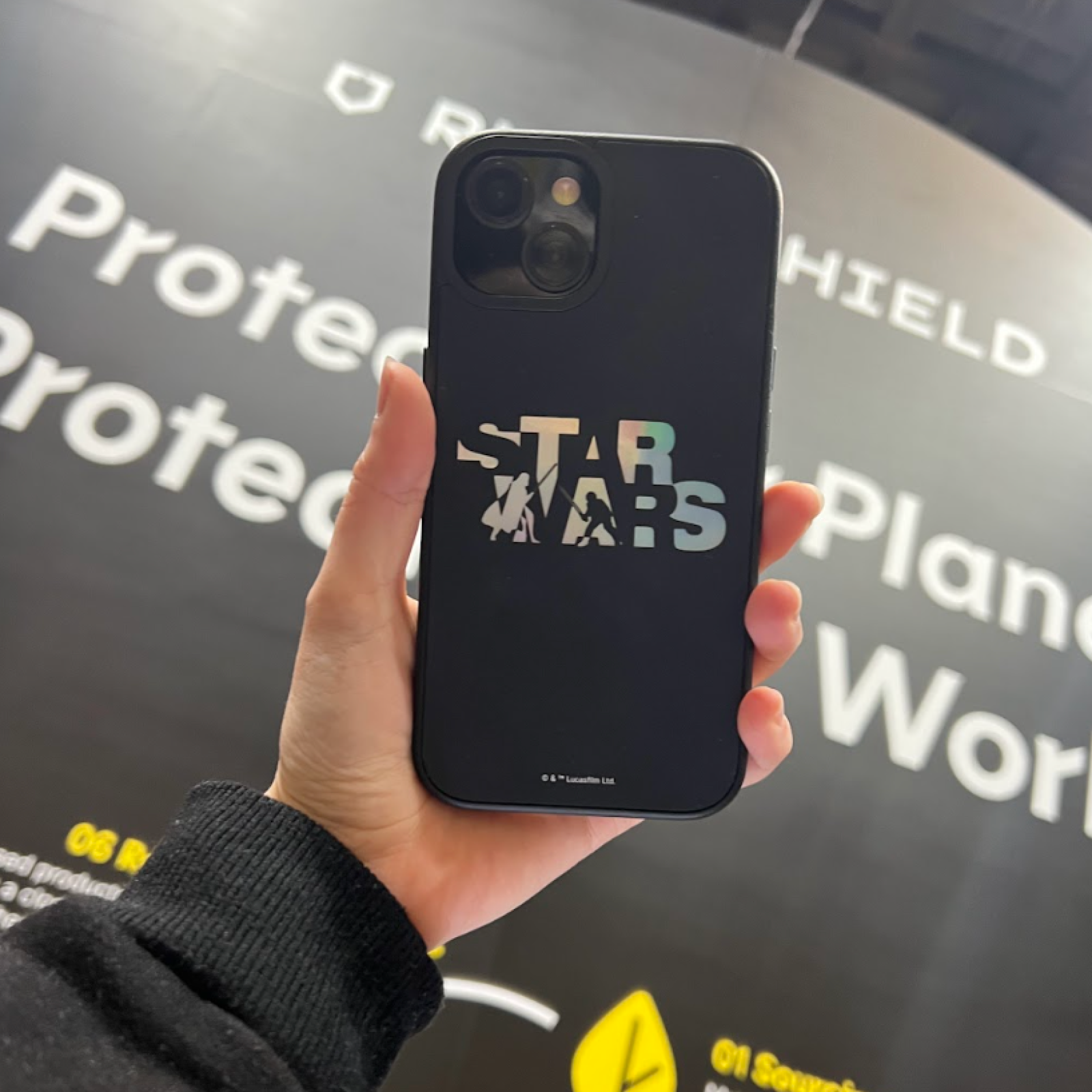
Users could invite friends to subscribe, contributing toward a shared campaign goal and accelerating the reveal of the design for the upcoming "May the fourth" limited edition phone case.
This connected a business objective—email acquisition—with a reason for users to participate. And the interaction was designed so that subscribing felt like part of the experience rather than a interruption to it.
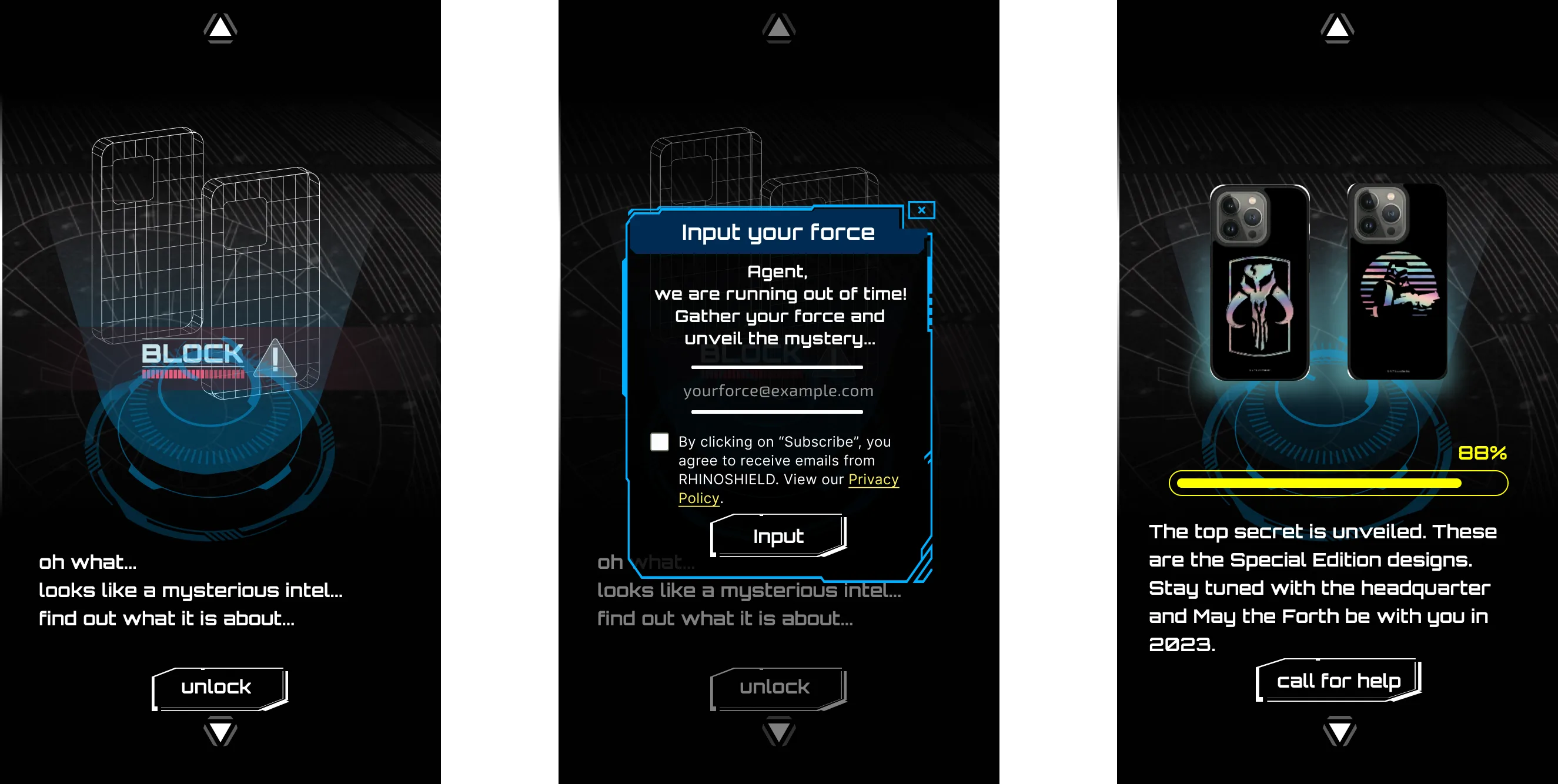
Conversation works better when it belongs to the experience rather than sitting beside it
05—The Constraint: 1.5 months, 14-day approval cycles
The projet had a tight delivery window of roughly 1.5 months. At the same time Disney Audit took up to 14 business days. That meant every major iteration carried risk.
After completing the first concept, we submitted it for licensing review, but the proposal was rejected. The visual direction leaned too heavily into a generalized Star Wars-inspired sci-fi aesthetic, and Disney was also uncomfortable with placing the Star Wars universe inside a separate RHINOSHIELD-created narrative. This meant the problem was not only how the campaign looked, but also how the relationship between the two brands was framed, forcing us to rethink how we could preserve the sense of participation without building a new narrative around the Star Wars universe.
With very little time left, another full redesign followed by another long approval cycle could put the launch at risk.
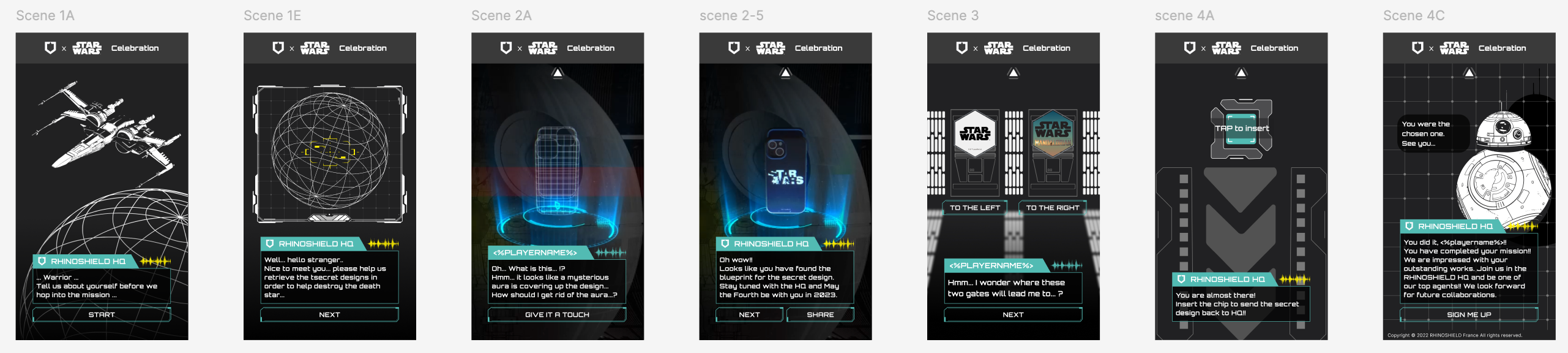
The first draft with Star Wars sprites that was rejected by Disney
06—The turning point
The rejection forced us to separate "What made the experience engaging" from "What made the experience risky to approve."
The visual language was replaceable, but the interaction strategy was not. So instead of abandoning the entire idea, I reframed the project around a simpler question:
What parts of the experience can we preserve without depending on visual language that increases licensing risk?
And this became the turning point.
07—Preserve the interaction. Remove the dependency
The second direction became more more clearly RHINOSHIELD-owned.
Instead of trying to visually recreate the Star Wars universe, we focused on the underlying behavior we wanted from users:
Explore
Participate
Make a choice
Earn a chance at a reward
Continue toward product discovery
This reduced our dependence on newly approved licensed visuals while preserving the reason the campagin existed in the first place. The concept was not "make something that looks like Star Wars," but "make users feel like participants rather than viewers."
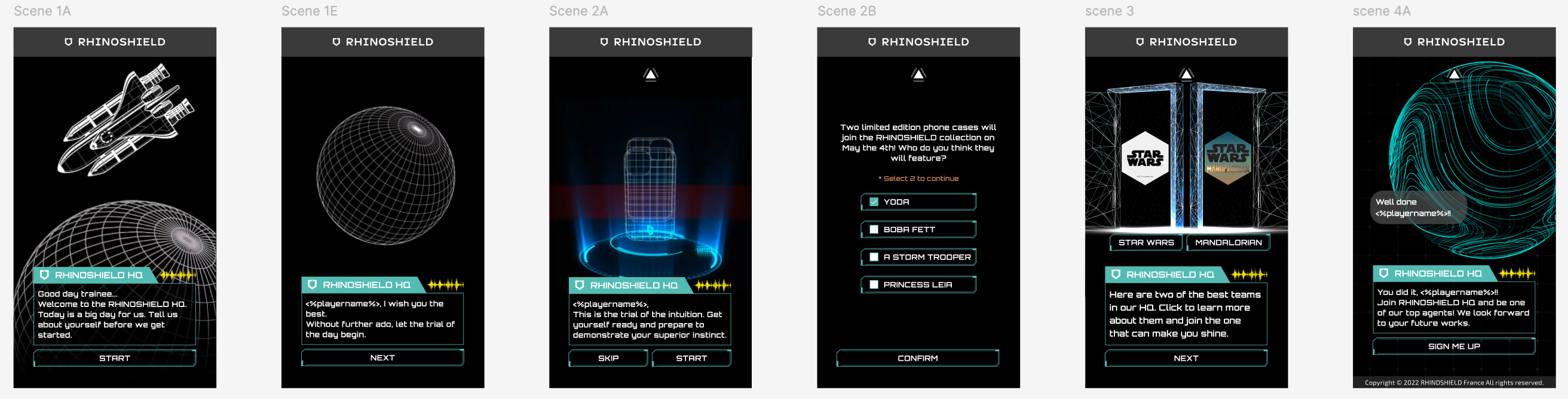
In the second attempt allowed the project to survive the rejection
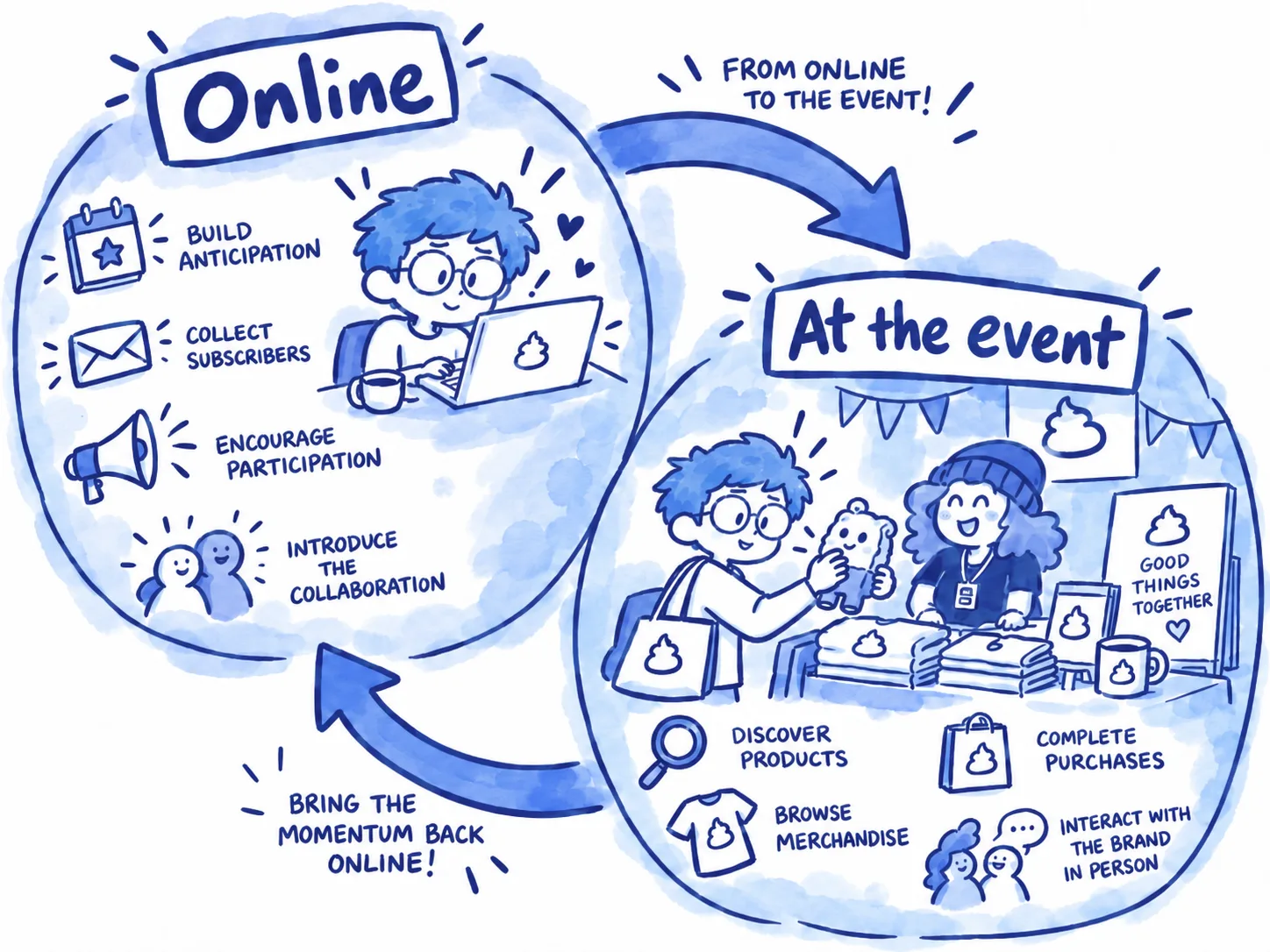
08—One Campaign, Two Environments
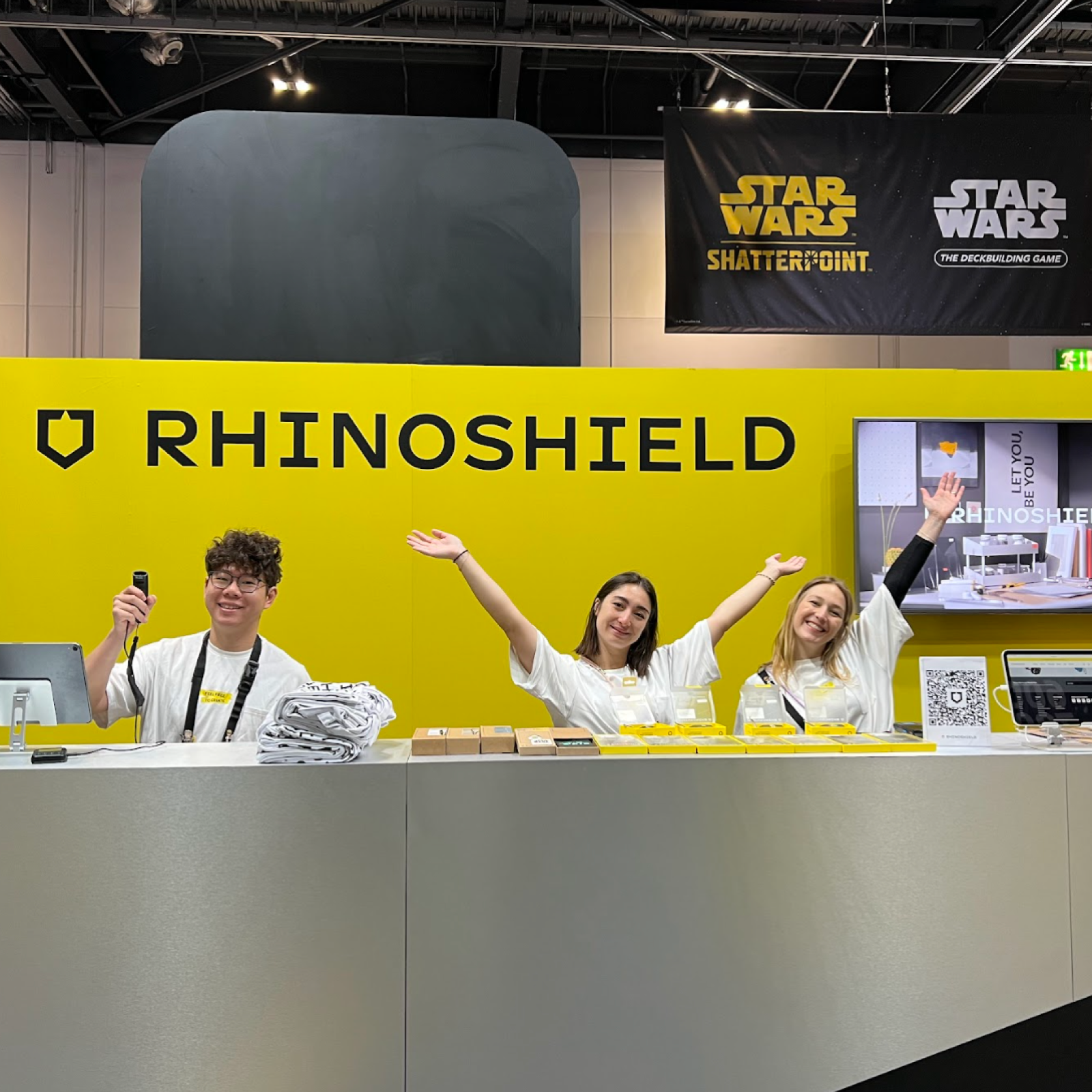
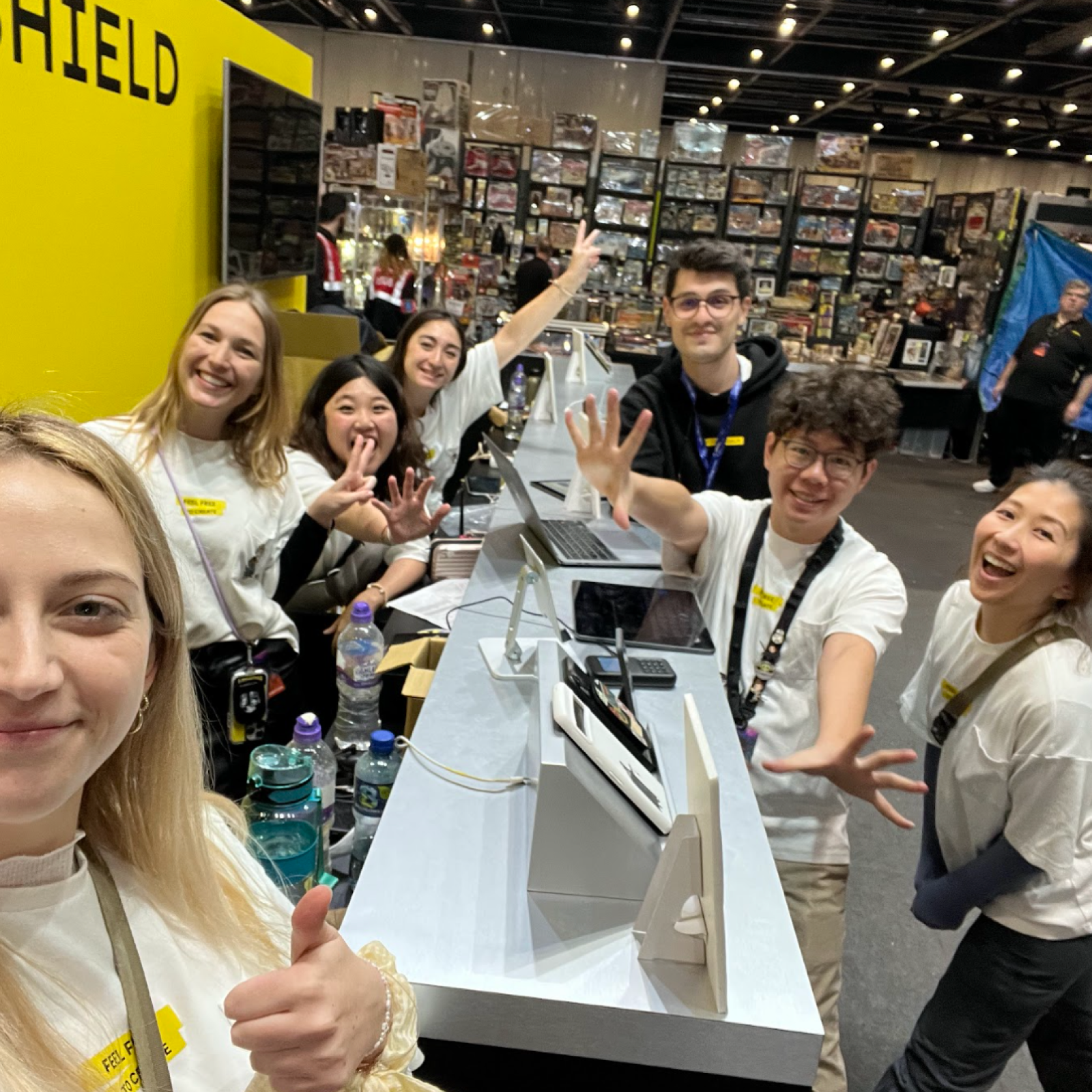
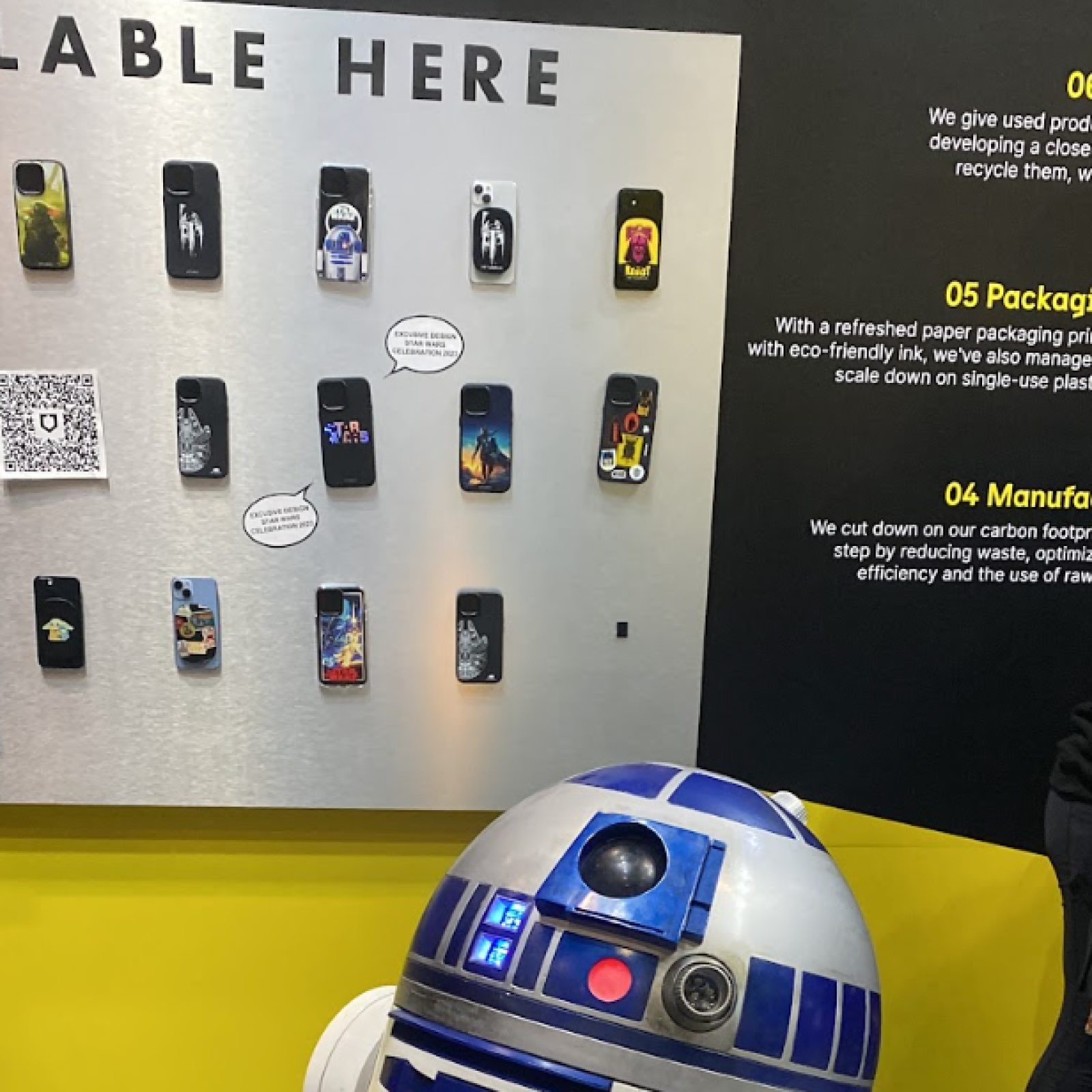
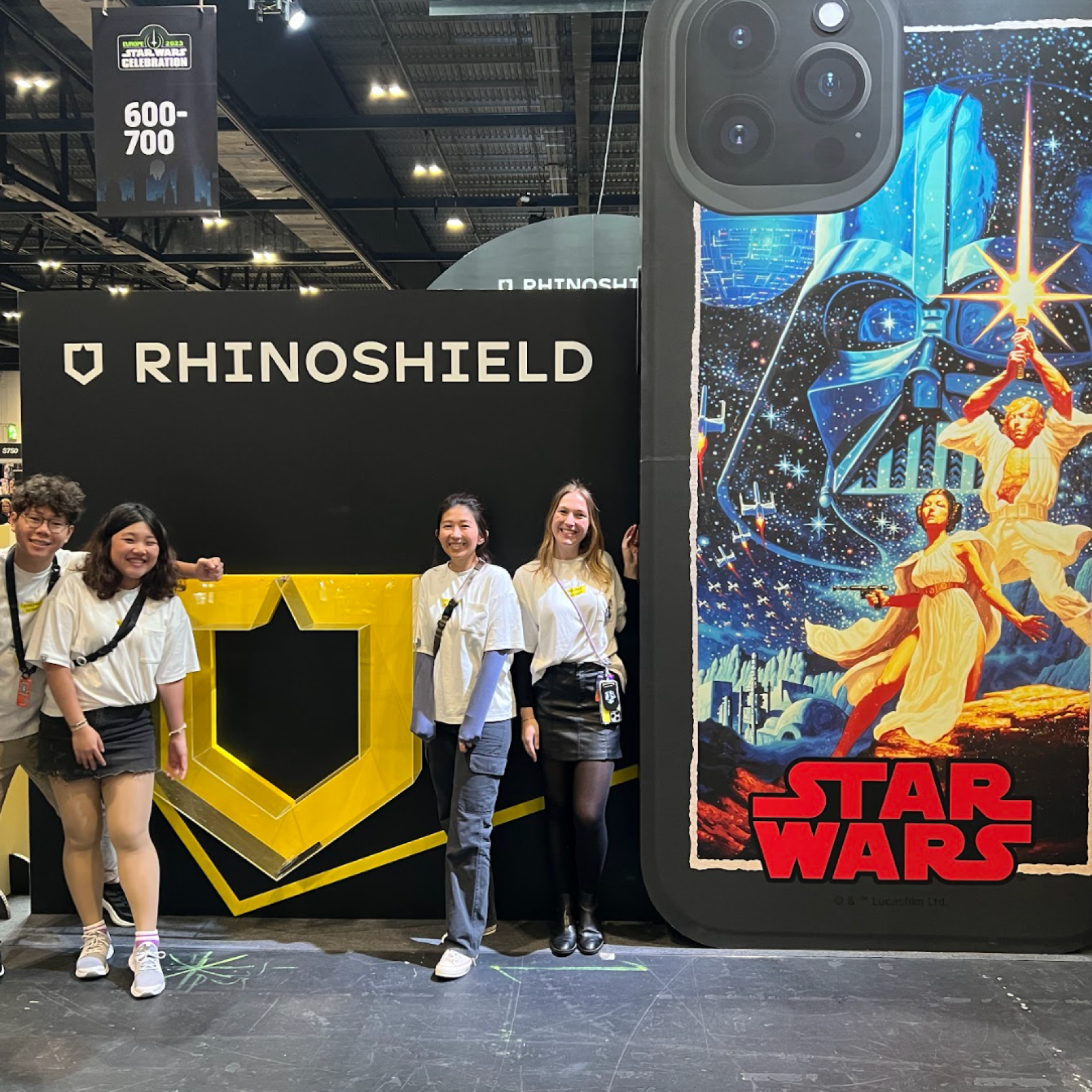
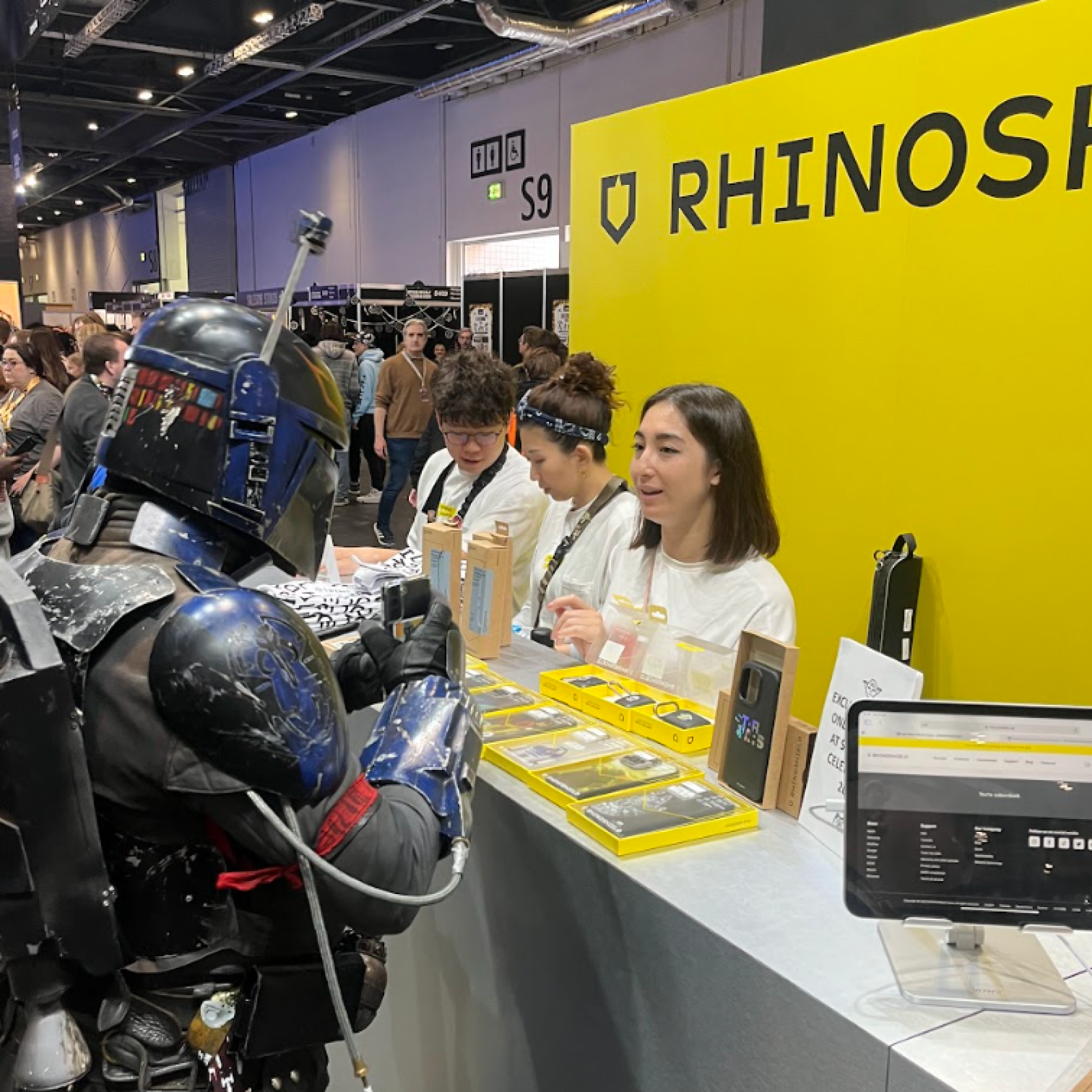
The project was not limited to the campaign page. The Star Wars Celebration event also reduced a physical retail setup, including POS support and product presentation at the booth.
The digital campaign and physical event served different moments of the same journey.
09—Extending the experience into retail operations
Star Wars Celebration was RHINOSHIELD's first overseas retail event, which meant the company had no established process for setting up the POS environment.
Part of my responsibility was to understand how the POS system worked in practice, identify the steps required to operate it outside our usual environment, and document the setup so the knowledge would not disappear after the event.
The goal was not only to make Star Wars Celebration booth work. It was to create a repeatable reference that future teams could use when preparing similar overseas retail experiences.
The documentation I created was later used as a key reference for two additional events: the 2023 Formula One World Championship event in France and Expo 2025 in Osaka.
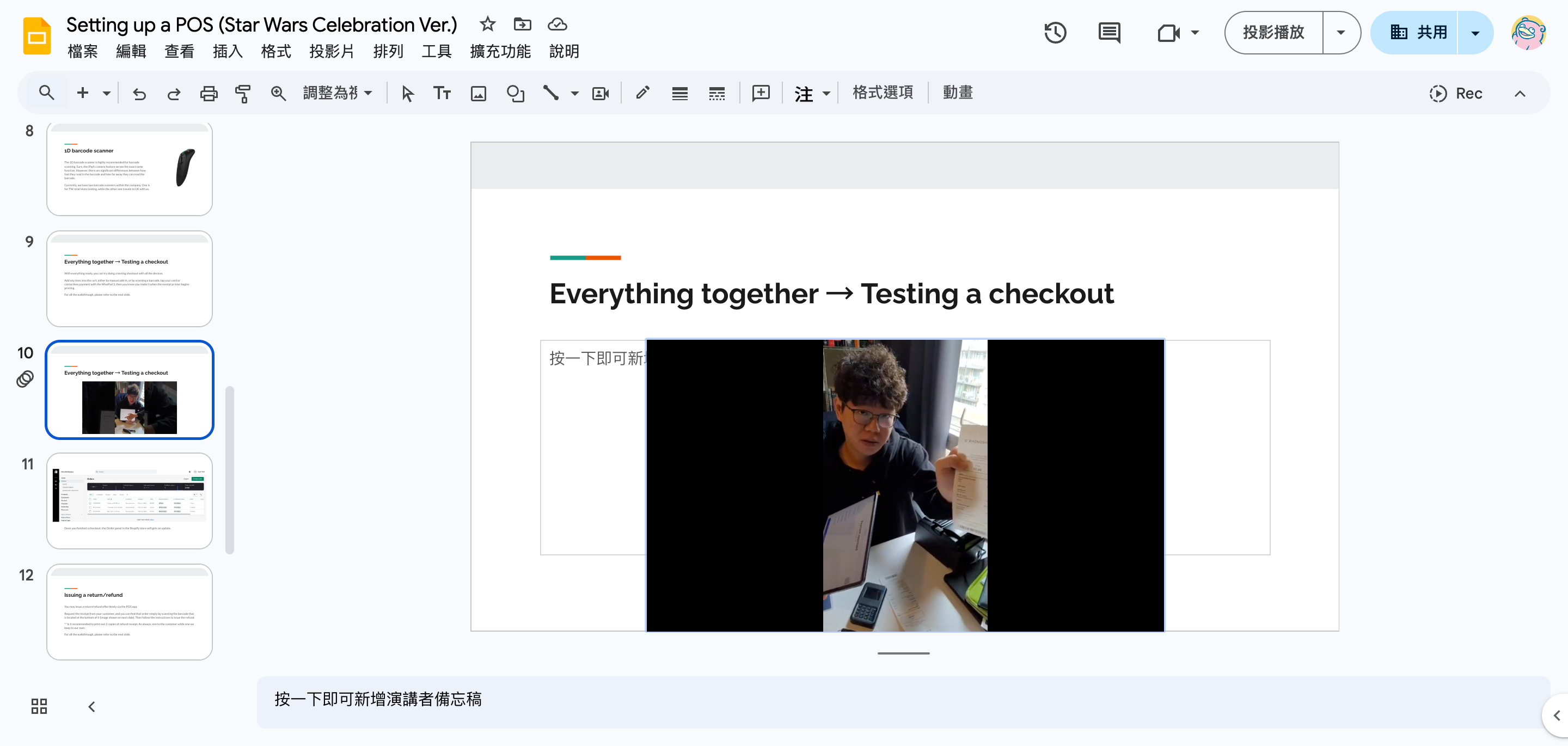
Recorded myself in a video guide to explain what are the setup process
10—We delivered the campaign without losing the idea behind it
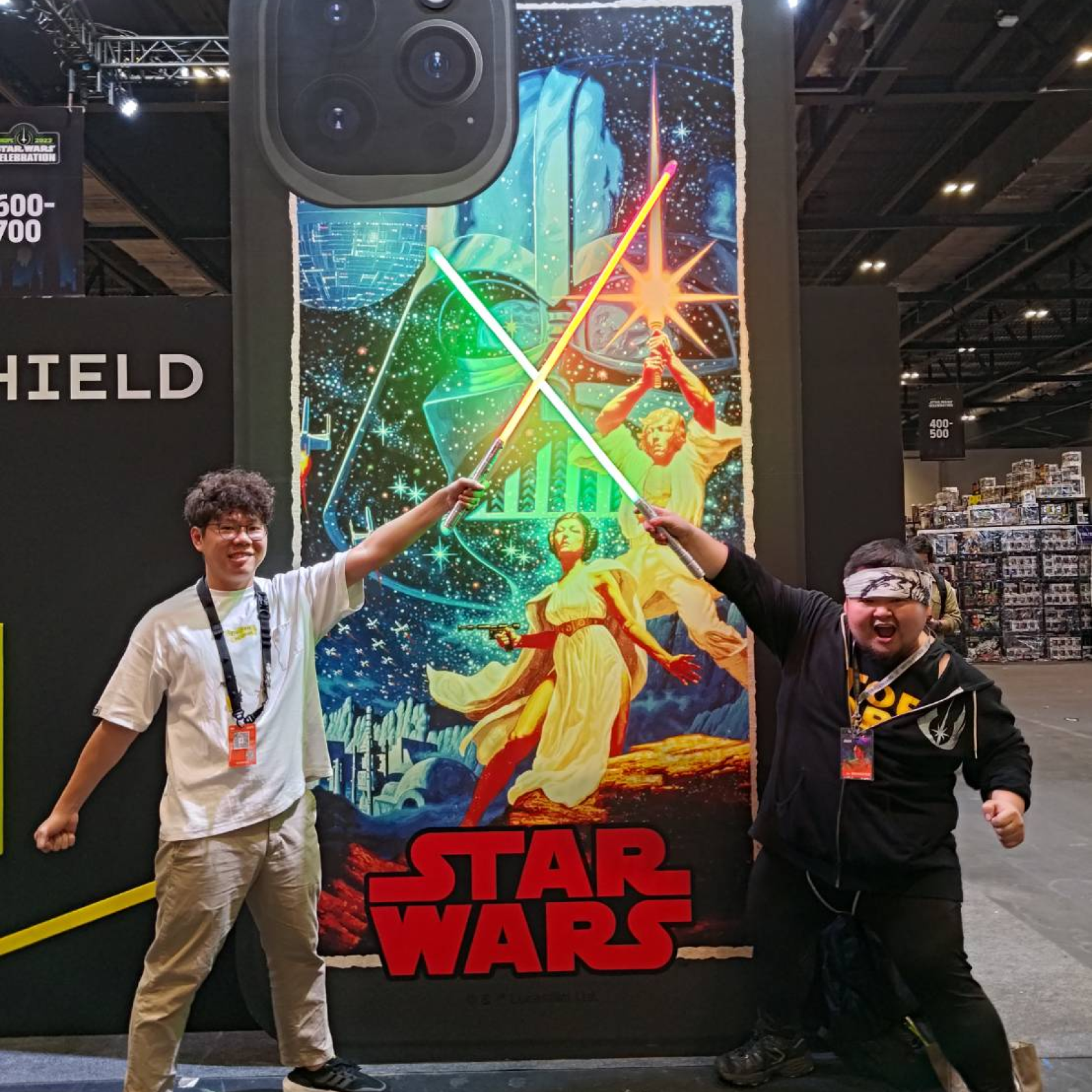
The most important outcome was that the project still launched in time for Star Wars Celebration despite the first concept being rejected late in the process. The final experience preserved the original engagement goals while reducing licensing risk and simplifying implementation under a compress timeline.
Over the four days of the event, we achieved:
£44k in revenue
996 online orders
Over 100k impressions on Instagram
3.4k email subscriptions
Here is a recap of the event before we hop into my takeaways:
10—Takeaways
This project taught me that designing an experience is not only about what customers see on the screen. It also means understanding the systems, constraints and operational work that make the experience possible.
When our first campaign concept was rejected, I learned to separate the core idea from the way it was originally perceived. The visual direction changed, but the goal of making users feel like participants rather than passive viewers remained. That helped me become more comfortable adapting an idea without losing its purpose.
At the same time, supporting RHINOSHIELD's first oversea retail event pushed me beyond the digital experience. I had to understand how the POS setup work, document a process that did not previously exist, and make that knowledge reusable for future teams. Seeing that documentation later support other international events reinforced another lesson for me: a good solution should not only work once—it should leave the organization better prepared for what comes next.
1 Membership System, 10 Markets
Caribou